
0

+44 (0)2038 468 468

The Ultimate Guide To Becoming A Hand Model

Think of the most recognisable hands in the world: the ones holding the newest smartphone, showcasing a stunning diamond, or pouring a perfect glass of champagne in a commercial. These are the hands of hand models, a specialised niche within the modelling industry that focuses solely on parts of the body.
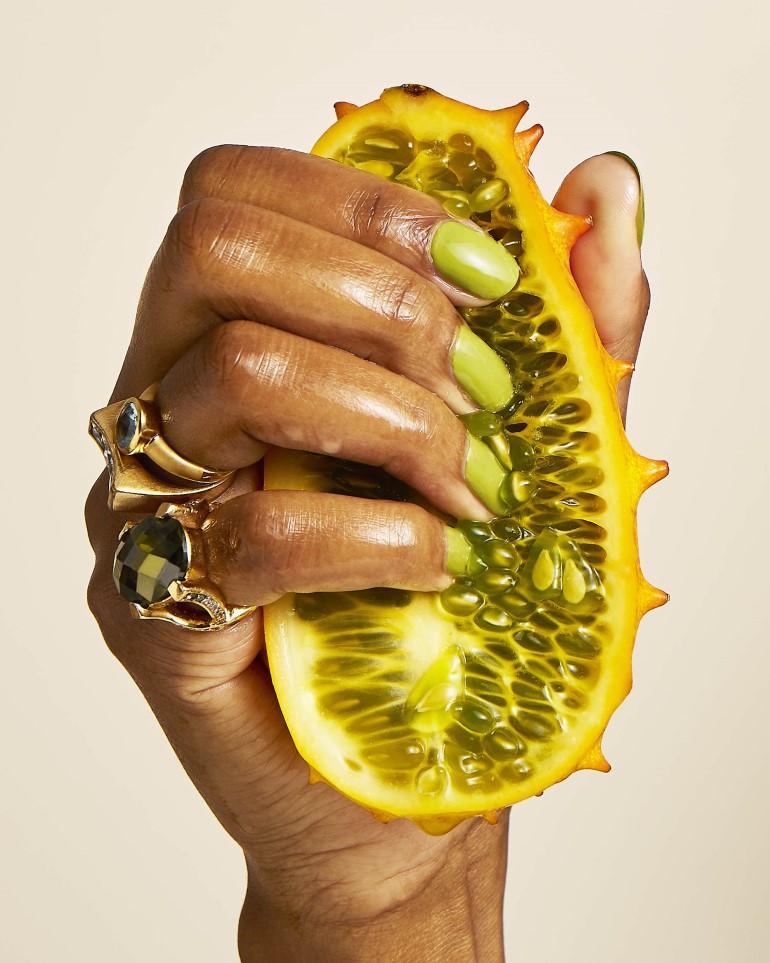
If you’ve been told you have beautiful hands, or if you’re looking for a unique and lucrative modelling career, becoming a hand model for an agency like BMA Hands could be your calling. This ultimate guide breaks down everything you need to know, from the essential criteria to landing your first job.
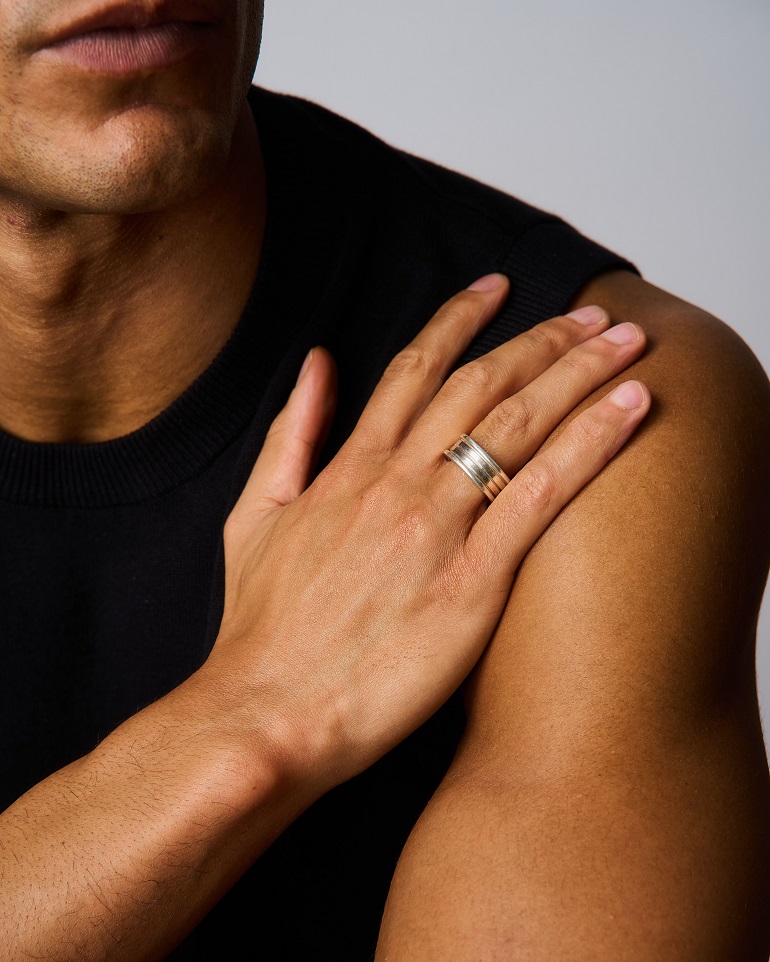
What Makes a Hand Model’s Hands “Perfect”?

While the requirements can vary slightly depending on the job, most clients and agencies look for specific traits that ensure the hands photograph well and present the product effectively.
The Essential Criteria:
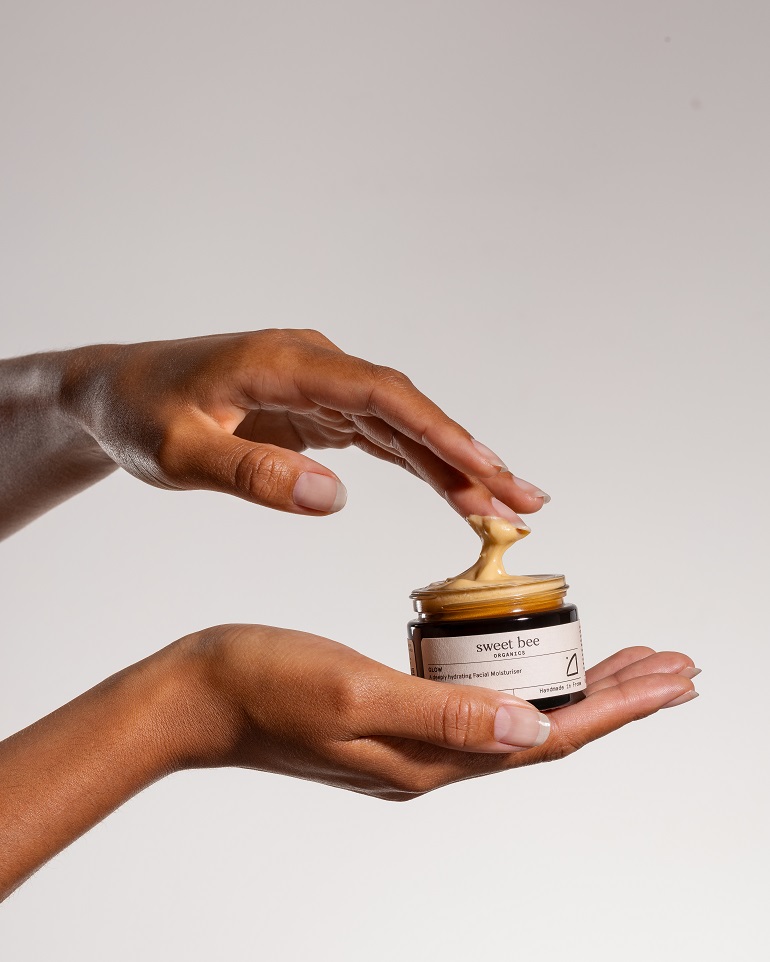
  • Smooth, Even Skin Tone: The skin on the hands and forearms should be free of blemishes, visible scars, or large moles. The tone should be relatively even, especially between the tops of the hands and the fingers.
  • Slender, Straight Fingers: Fingers are typically required to be long, straight, and well-proportioned.
  • Well-Shaped Nail Beds: Nail beds should be uniform, healthy, and a consistent shape, as they are often the focal point of jewellery or nail product campaigns.
  • Minimal Veins or Knuckles: While some visibility is natural, large, prominent veins or noticeably big knuckles are generally undesirable as they can be distracting in close-up shots.
  • Symmetry and Proportion: The hands should look graceful, symmetrical, and proportional to the product they are showcasing.
  • The Right Sizing: While sizes vary, having hands that can comfortably fit into a sample pair of gloves or hold standard-sized products is helpful.

Essential Hand Care: Your Daily Routine

Your hands are your product, and you must treat them with the utmost care. Consistency is key to maintaining a model-ready appearance.
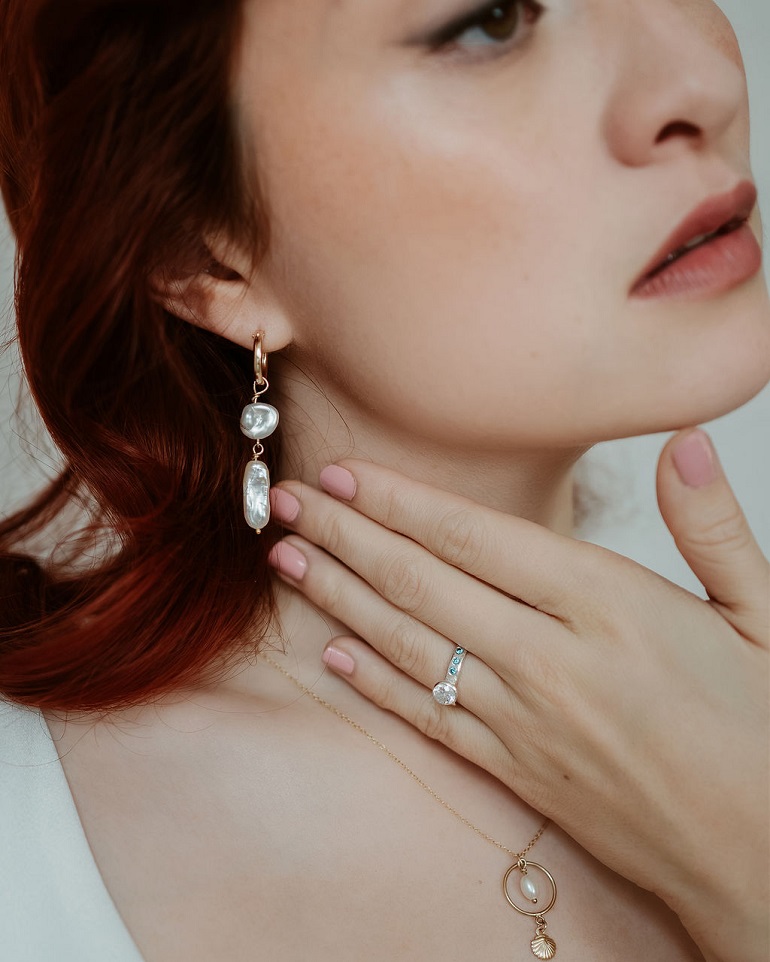
  • Moisturise Constantly: Keep a high-quality hand cream with you at all times. Apply it after every handwash and before bed.
  • Wear Sun Protection: The sun is the number one cause of premature aging, age spots, and uneven skin tone. Apply SPF 30 or higher daily, even in winter.
  • Protect Your Hands: Always wear gloves when doing chores, such as washing dishes, gardening, or cleaning. Any exposure to harsh chemicals or rough activity can damage your skin and nails quickly.
  • Regular Manicures: Learn to keep your nails and cuticles impeccably maintained. While the client often hires a professional manicurist for the shoot, your hands must be in excellent initial condition.
  • Avoid Risk: Be mindful of activities that could cause injury, like contact sports, weightlifting without gloves, or excessive exposure to harsh weather.

Building Your Hand Modelling Portfolio

Unlike fashion modelling, a hand modelling portfolio is highly specific and focused. Your photos must show the versatility and condition of your hands clearly.
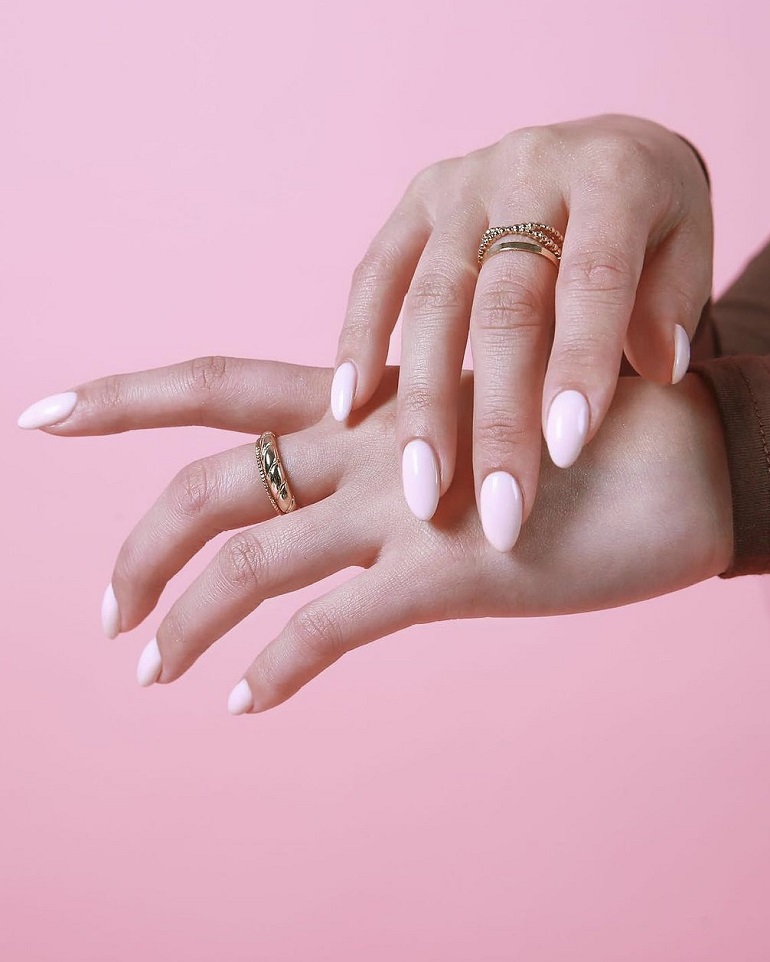
  1. High-Quality Close-Ups: Take sharp, well-lit shots of the backs of your hands, the palms, and the fingers in various poses—flat, gripping, holding an item, etc.
  2. Focus on Detail: Ensure your photos capture the smoothness of your skin and the shape of your nails. Avoid heavy filters or retouching that might mislead an agency.
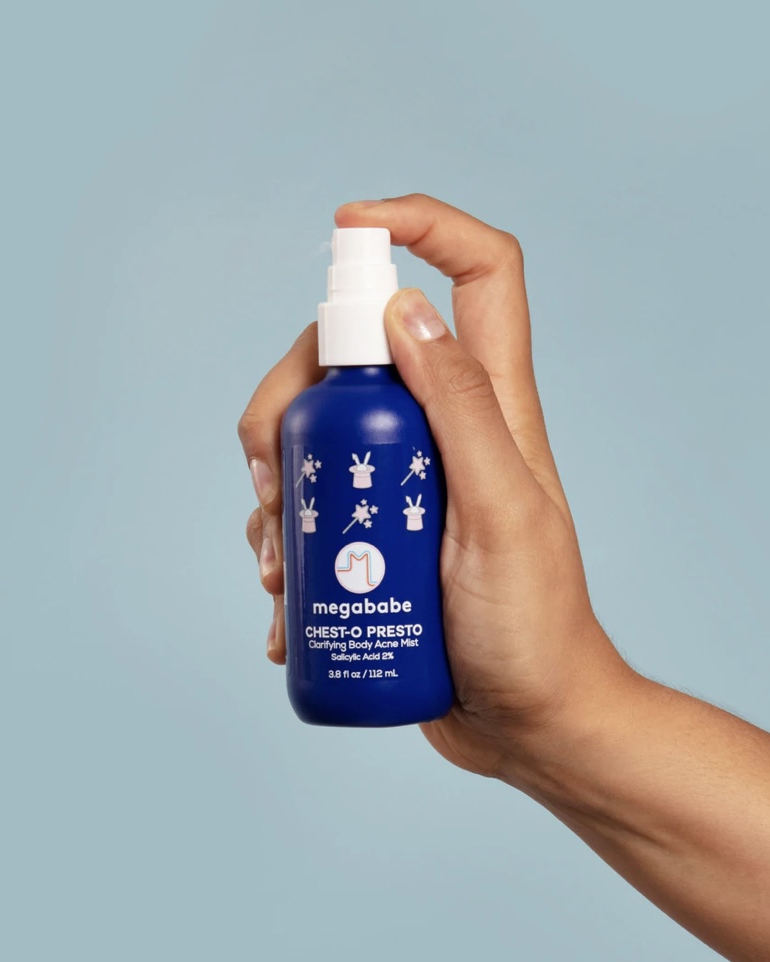
  3. Action Shots: Include photos that show your hands interacting with different objects, such as jewellery, electronics, food, or beauty products.
  4. Before & After: Show your hands with and without nail polish to demonstrate their natural state.
  5. Professional Shots are a Must: While you can start with good quality photos taken by a friend, once you are serious, invest in a professional photographer who specialises in close-up product or body-part photography.

On Set: What to Expect as a Hand Model

Hand modelling requires more than just attractive hands; it requires patience, steady nerves, and precision.
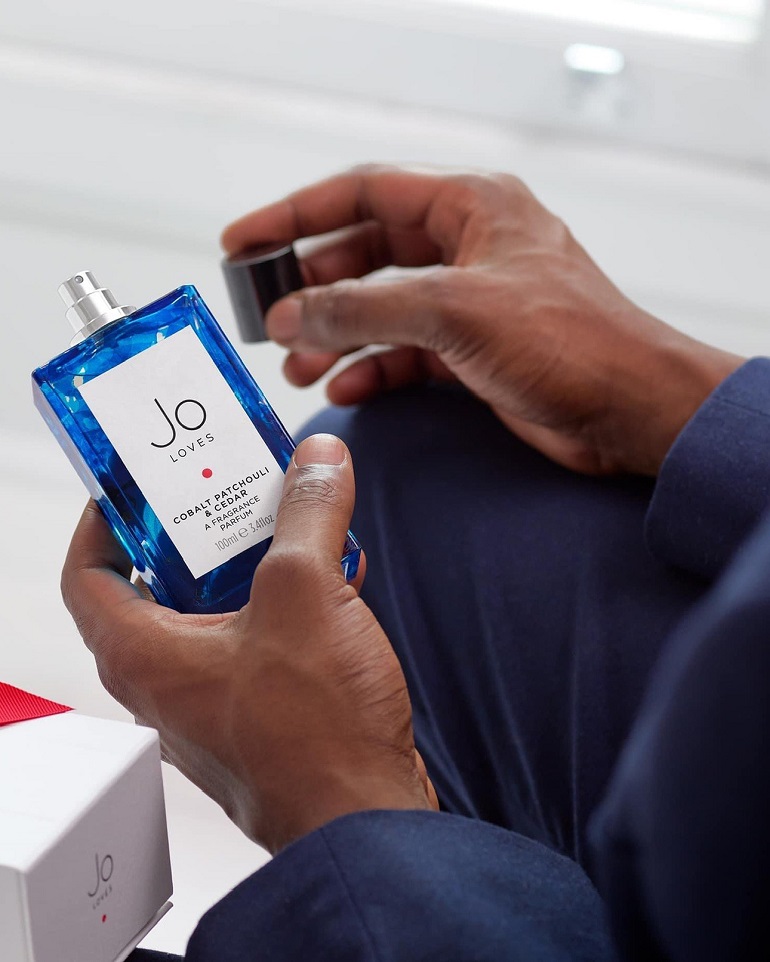
  • Holding a Pose: You may be asked to hold an object perfectly still for long periods while the camera crew and lighting technicians adjust their setup. This requires physical control and stamina.
  • Repetition: Expect to repeat the same movement or pose dozens of times to capture the perfect shot.
  • Working with Props: You’ll need to handle products with finesse and care, often under the guidance of an art director.
  • Being a Team Player: You will often work closely with a lead model (who may stand in for wide shots) and a large production team, so a positive attitude is essential!

Ready for Your Close-Up? Join BMA Hands Today!

If you’ve done the preparation, perfected your routine, and are ready to turn your beautiful hands into a professional career, there is no better place to start than with a leading body-part agency.

BMA Hands represents some of the industry’s top talent and works with major global brands looking for the best hands in the business.

Take the next step: Stop waiting and submit your portfolio directly to BMA Hands now to start your journey as a professional hand model!