
Hand Modelling Tips for Mastering Stillness Under Studio Lights
In the fast-paced environment of commercial photography, the difference between a ‘good’ shot and a ‘hero’ shot often comes down to a fraction of a millimetre. While a hand model’s skin and nails are their calling card, their true value lies in their physical discipline.
Mastering ‘the hold’ – the ability to maintain a precise, tension-free pose for extended periods – is a skill that separates the amateurs from the professionals. Under high-intensity studio lights and macro lenses, every micro-tremor is magnified, making stillness your most powerful tool.
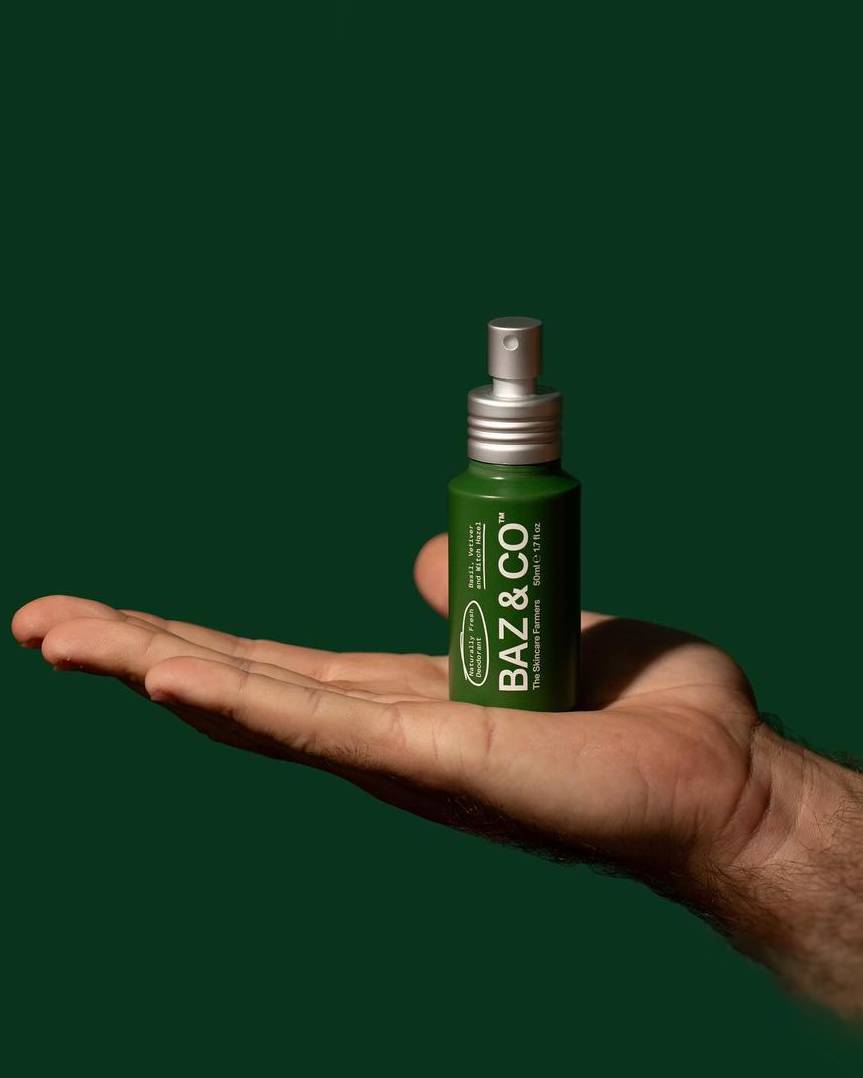
Whether you are preparing for your first casting or looking to refine your technique, these hand modelling tips will help you achieve the perfect, steady hold that photographers love.
The ‘Soft Tension’ Technique
The most common mistake beginners make is ‘over-gripping’. When you try too hard to be still, your muscles naturally stiffen, which can cause veins to protrude or skin to look strained and white around the knuckles.
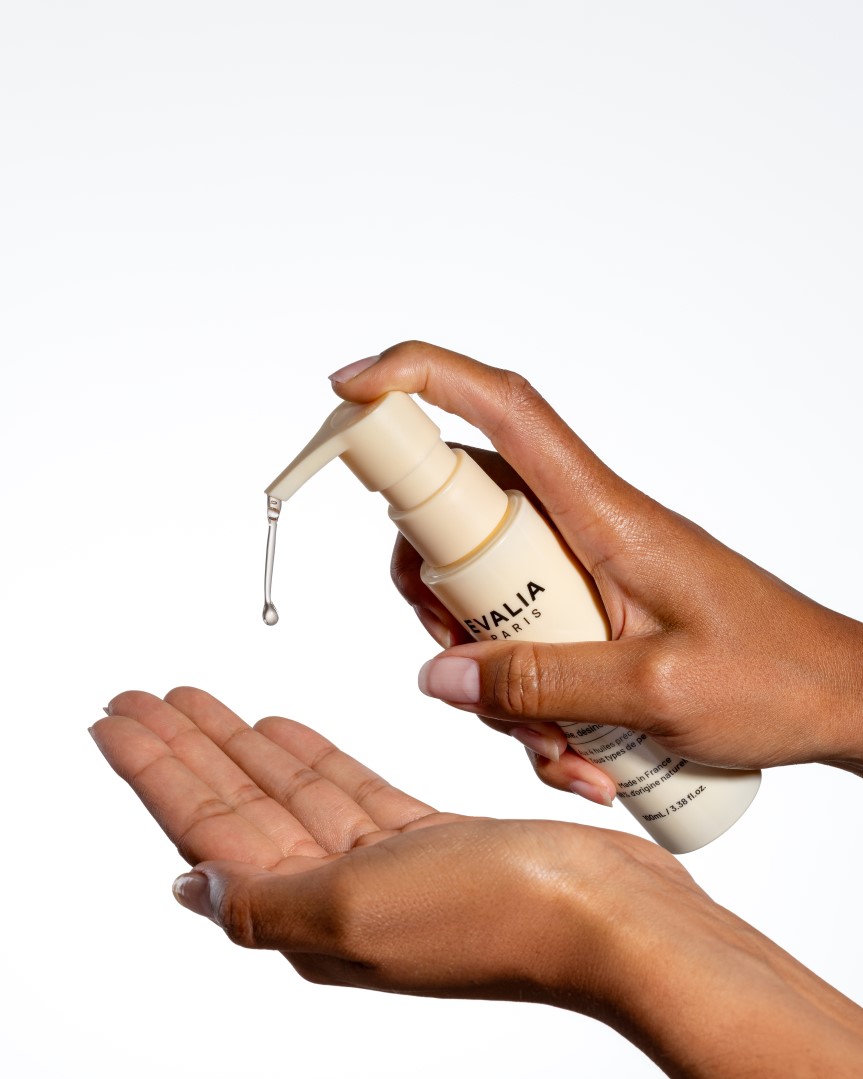
To master soft tension, you must learn to engage your muscles just enough to hold the weight of the product without ‘squeezing’ it.
Think of your hand as a graceful frame; it should support the item with a lightness that suggests effortless elegance. Practising in front of a mirror with a glass of water or a smartphone will help you find that sweet spot where the hand looks relaxed but remains perfectly immobile.

Breathing for Stillness
It is a natural instinct to hold your breath the moment a photographer says, ‘Hold that’. However, this is actually your worst enemy. Holding your breath creates internal pressure and carbon dioxide build-up, which eventually leads to ‘the shakes’ or involuntary muscle spasms.
Instead, practice rhythmic, shallow breathing. By keeping your oxygen levels consistent, you calm your nervous system and keep your muscles oxygenated. This allows you to maintain a pose for minutes rather than seconds, giving the creative team the time they need to adjust lighting or focus.
The Pivot Point
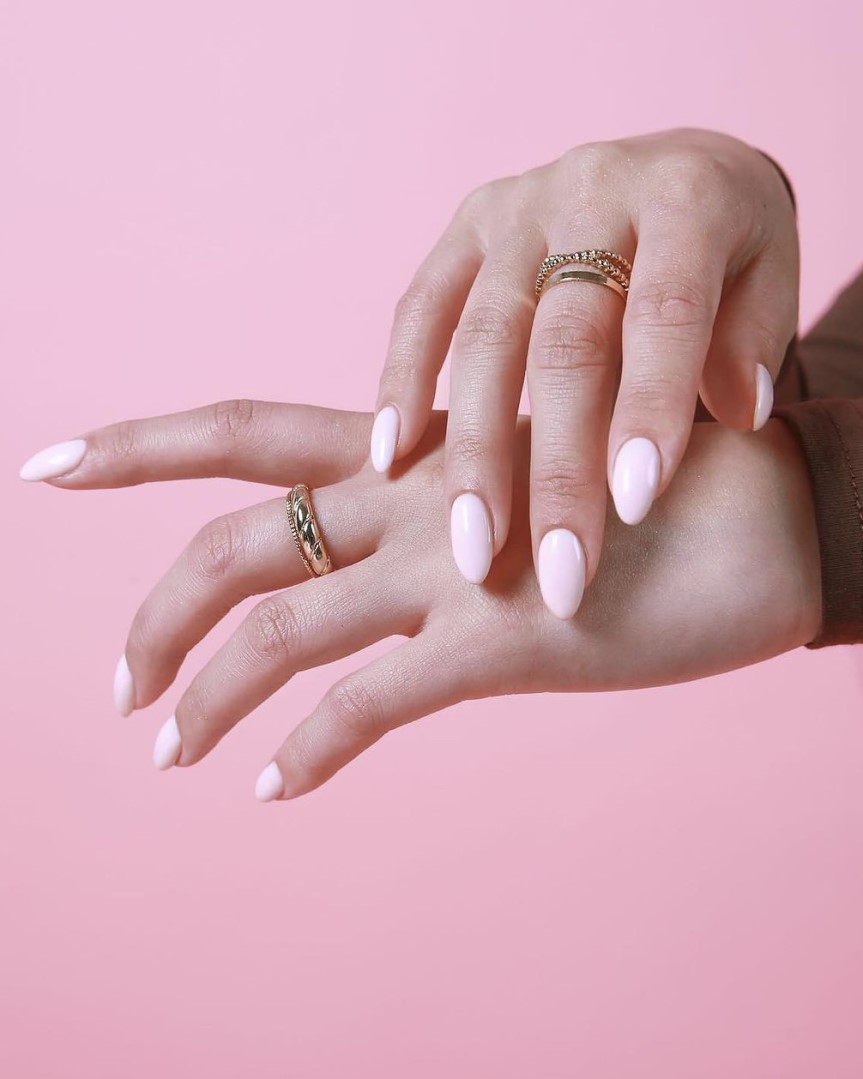
Even the most seasoned professionals can struggle with ‘floating’ holds. Whenever possible, find a pivot point. This involves using a product prop, a table surface, or even your own opposite arm as a hidden ‘anchor’ to provide support for your wrist or fingers.
If the shot requires a hand to be suspended in mid-air, try to lean your elbow or forearm on a prop just out of frame. This takes the weight off your shoulder and stabilises the entire extremity, ensuring the hand remains rock-steady for the macro lens.
Managing Studio Heat
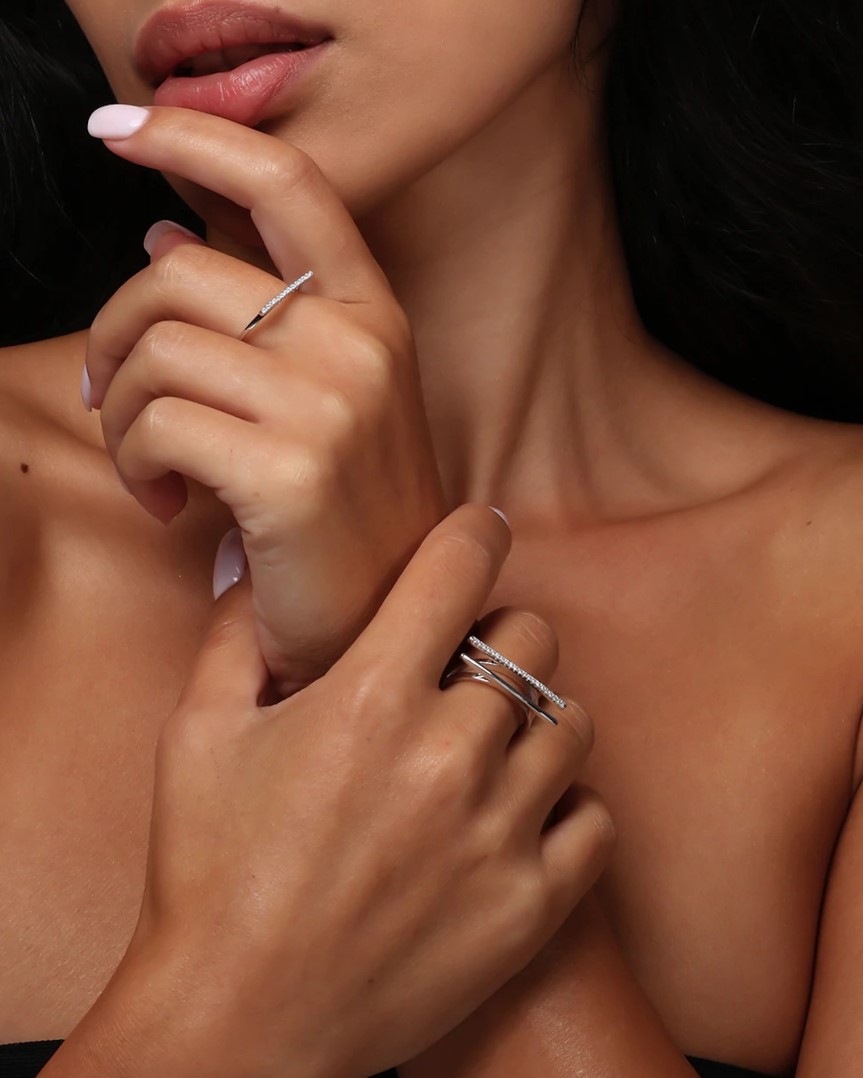
High-wattage studio lights are notorious for two things: heat and fatigue. Heat causes blood to rush to the extremities, which can lead to swelling or visible redness.
To combat this, keep your hands elevated above your head between shots to encourage blood flow away from the fingers. Many professional models also use cold water or ‘cool packs’ during breaks to reset the skin tone and keep the muscles refreshed.
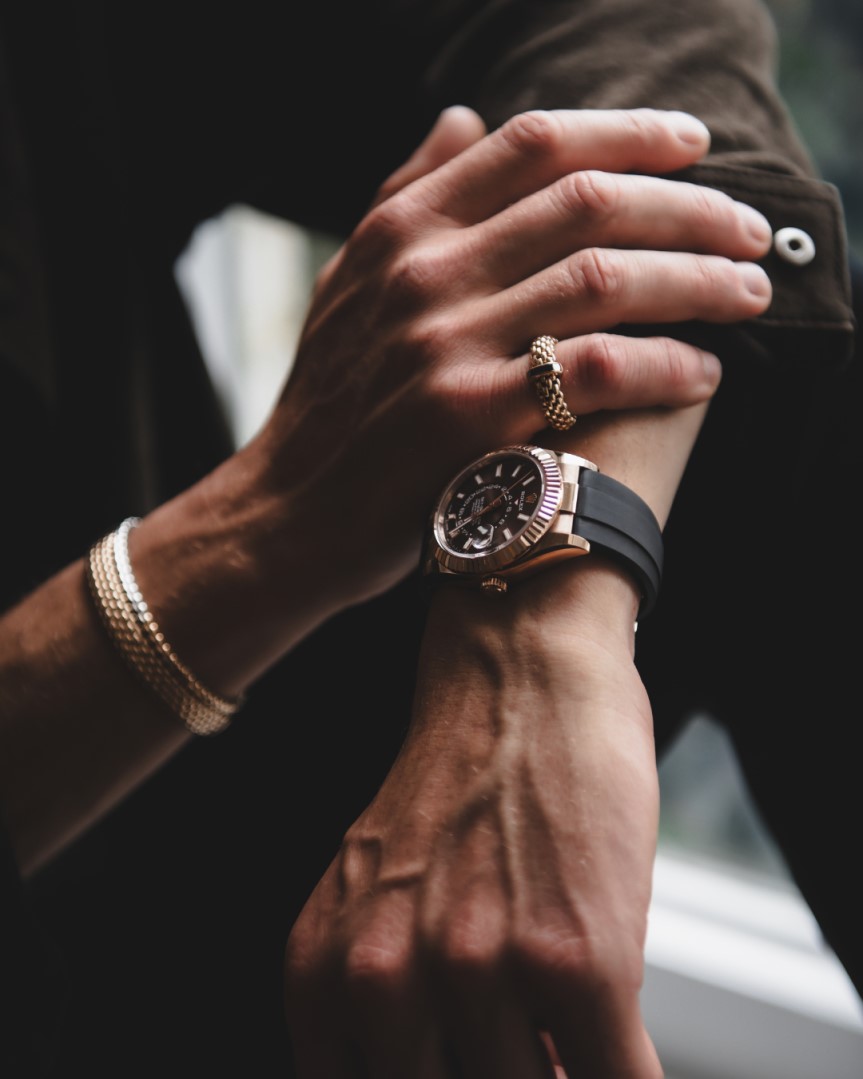
A cool, rested hand is far more likely to maintain a steady hold than one that has been baking under a spotlight for twenty minutes.
Join the BMA Family
Do you possess the discipline and technical grace required to excel in the specialised field of parts modelling? Beyond having truly elegant and striking features, success in this industry demands a professional level of poise and patience.
We are always seeking exceptional new talent to join our prestigious portfolio. If you have what it takes to represent the UK’s leading brands, we would love to hear from you.
Apply to join BMA Models here and start your journey with the BMA family today.